
Winter in Poland: five public holidays, four shopping Sundays, winter school break. Observances and celebrations in Poland in December, January & February

Shopping Sundays in Poland in December 2025, January & February 2026
December 7, December 14, December 21, 2025, and January 25, 2026, are shopping Sundays in Poland. Click here to read our post about shopping Sundays in Poland. Read our post with a list of online stores in Poland that deliver groceries to your home. There is no shopping Sunday in Poland in February. The next shopping Sunday will be on March 29, 2026.
Public holidays and celebrations in Poland in the wintertime of 2025/2026
- December 6
St. Nicholas’ Day (Mikołajki)
The name Mikołajki comes from Mikołaj (Polish for Nicholas), meaning little Nicholas. On the night of December 5-6, small gifts are secretly given to children while they sleep (little treats—mostly toys, but also sweets). One tradition is to hide treats in shoes. Children should clean them the night before, and the next morning (on Mikołajki day), they will find a small surprise inside their shoes. Chocolate Santas are often gifts—they can be bought in Polish stores as early as the end of November. In Polish schools, on December 6, there is a custom of exchanging small gifts between students, a secret Santa. Children decide in advance how much they will spend on a gift and draw a classmate to receive it.
- December 21
The beginning of astronomical winter
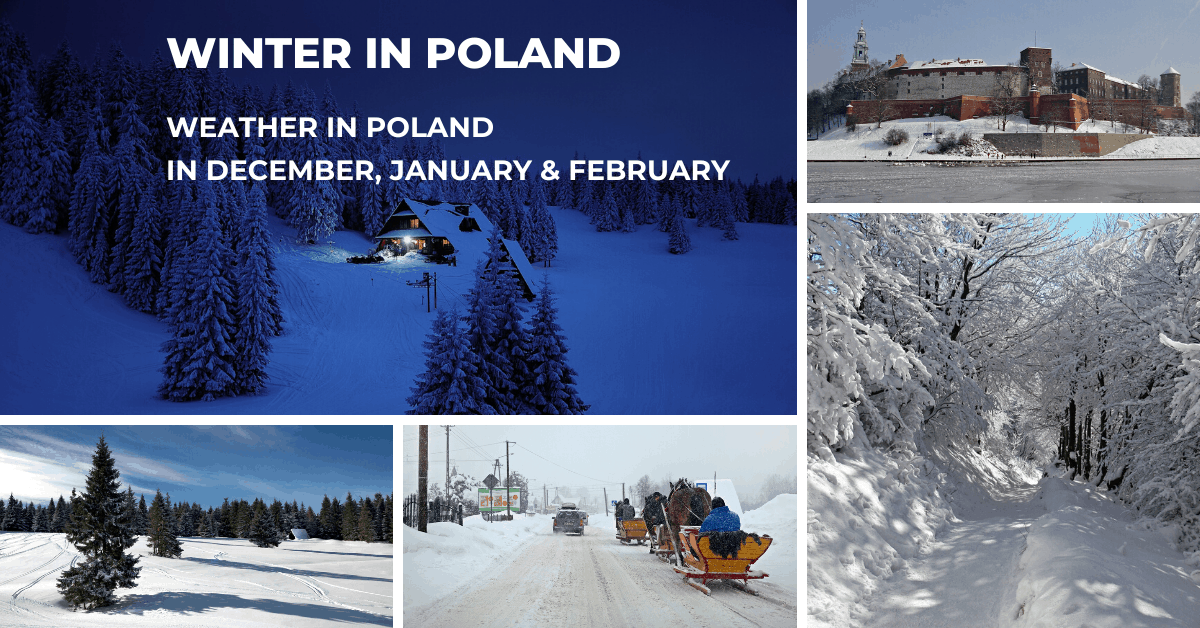
The shortest day of the year. Click here to learn about the weather in Poland in the wintertime (December, January, and February).
- December 24
Christmas Eve (Wigilia)
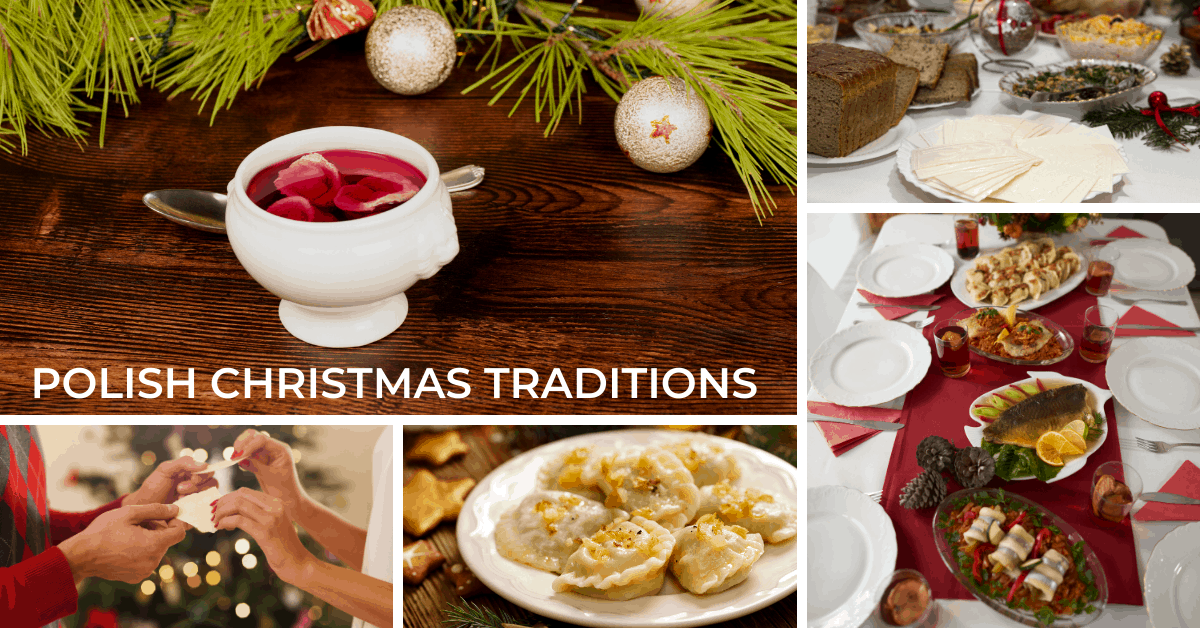
A public holiday in Poland. Stores, malls, shopping centers, public institutions, and schools are CLOSED. Christmas Eve Dinner – kolacja wigilijna – is Poland’s most important Christmas celebration. Click here to learn more about Christmas traditions in Poland. The Christmas Eve traditions include waiting for a first star, the Christmas wafer (opłatek), 12 meat-free courses, an extra seat for an unexpected guest, hay under the tablecloth, and a special midnight mass (pasterka).
- December 25
Christmas Day (Boże Narodzenie)
A public holiday in Poland. Stores, malls, shopping centers, public institutions, and schools are CLOSED. People in Poland usually visit family and friends to celebrate together, go to church, sing carols (kolędy), and spend long hours at the table.
- December 26
Second Day of Christmas (Drugi Dzień Świąt Bożego Narodzenia)
A public holiday in Poland. Stores, malls, shopping centers, public institutions, and schools are CLOSED.
- December 31
New Year’s Eve / St. Silvestre’s Day (Sylwester)
It’s the start of the carnival season in Poland. People usually go out to parties and balls. Stores are typically open no longer than 5-6 pm.
- January 1
New Year’s Day (Nowy Rok)
A public holiday in Poland. Stores, malls, shopping centers, public institutions, and schools are CLOSED. Only some smaller convenience stores can be open (e.g., Żabka). You can do essential shopping at gas stations.
- January 6
Epiphany / The Three Wise Kings (Trzech Króli)
A public holiday in Poland. Stores, malls, shopping centers, public institutions, and schools are CLOSED. A Christian holiday commemorating the three wise kings’ visit to the infant Jesus. In Warsaw and other big cities, there are street parades. There is a tradition in Poland to write with chalk from the church above the entrance of your home: K+M+B (or C+M+B). The letters have two meanings: they represent the initials of Caspar, Melchior, and Balthazar (Kacper, Melchior, Baltazar); it’s also the abbreviation of the Latin phrase Christus mansionem benedicat (May Christ bless this house).
- January 21 & January 22
Grandmother’s Day & Grandfather’s Day (Dzień Babci & Dzień Dziadka)
People visit or call their grandparents to honor them. In kindergartens, there are usually events for grandparents.
- January 25
Great Orchestra of Christmas Charity, 33rd Grand Finale (Wielka Orkiestra Świątecznej Pomocy)
The most significant charity event in Poland. The 2026 fundraiser will support the diagnosis and treatment of gastrointestinal diseases in children. Many concerts, shows, and other events all over Poland. Volunteers (including many children) collect money on the streets and give red heart-shaped stickers to all donors. The Foundation’s website in English.
- February 12
Fat Thursday (Tłusty Czwartek)
The last Thursday before Lent starts (similar to Mardi Gras or Fat Tuesday), it’s a donut/pączek day in Poland. In the morning, you can notice long lines in front of bakeries and cafes all over Poland. People eat pączki (donuts filled with fruit jam) or faworki (French dough pastry served with powdered sugar) all day long at school, work, and home. There are contests for the best pastry stores in the city, and some families have a pączek eating competition – who will eat the most donuts on Fat Thursday.
- February 14
Valentine’s Day (Walentynki)
It’s a relatively new celebration in Poland (not observed in Poland during the communist period before 1989) and is becoming increasingly popular. All restaurants are usually full; you need to book your table in advance;) School kids make Valentine’s Day cards, and couples remember to make a pleasant surprise.
- February 17
Last day of the carnival, Śledzik (herring night), Ostatki (last days of carnival)
This is the last chance to party (typically with drinking and music) before the start of Lent (which doesn’t mean there are no parties during Lent in Poland, just not as many). The party/dinner is called in Polish Śledzik (little herring) because, during old-fashioned Polish parties, it was a popular appetizer washed down with alcohol.
- February 18
Ash Wednesday (Środa Popielcowa, Popielec)
The first day of Lent. People go to churches where priests put ashes (made from palm branches blessed on the previous year’s Palm Sunday) on people’s foreheads, saying ‘Remember that you are dust and to dust you shall return’ (‘Z prochu powstałeś i w proch się obrócisz’). It is a tradition among Roman Catholics in Poland to avoid meat, alcohol, sweets, and snacks on that day.
Winter school break in Poland
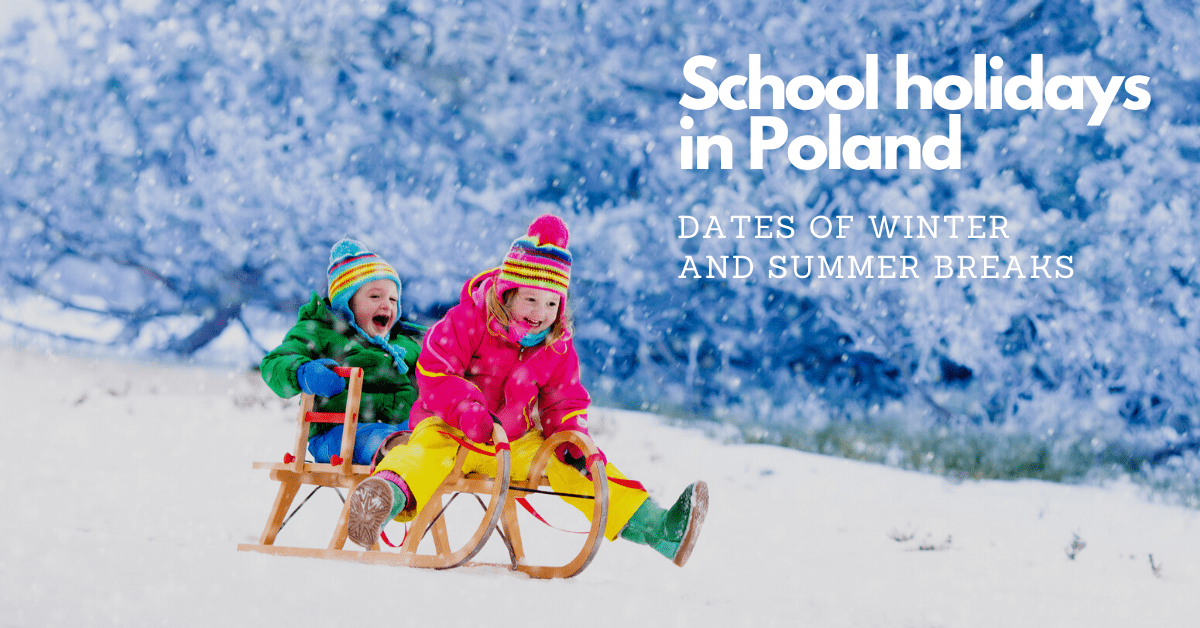
The school year in Poland is divided into two terms: the first/winter term (pierwszy semestr) and the second/summer term (drugi semestr). While the first and last days of school are set the same across all of Poland (the last day of school in Poland in 2026: June 26), the winter break (ferie zimowe) dates differ by province/voivodship.
Click here to read our post about school holidays in Poland, including the dates of the winter school break in Poland in 2026 and 2027.
Click on the photos below to read our other posts: