
Christmas in Poland: traditions, family, and… food
Christmas Eve in Poland (Wigilia), December 24 (a public holiday)
Christmas Eve Dinner – kolacja wigilijna – is Poland’s most important Christmas celebration.
Christmas Eve Dinner starts in the late afternoon or evening, depending on the family (some people visit two or more families on Christmas Eve, having multiple dinners). The tradition requires that the dinner can start only after the first star is visible in the sky. Kids keep looking out the window, waiting for the first star (children want to start dinner as soon as possible to proceed to the next part – Christmas gifts).
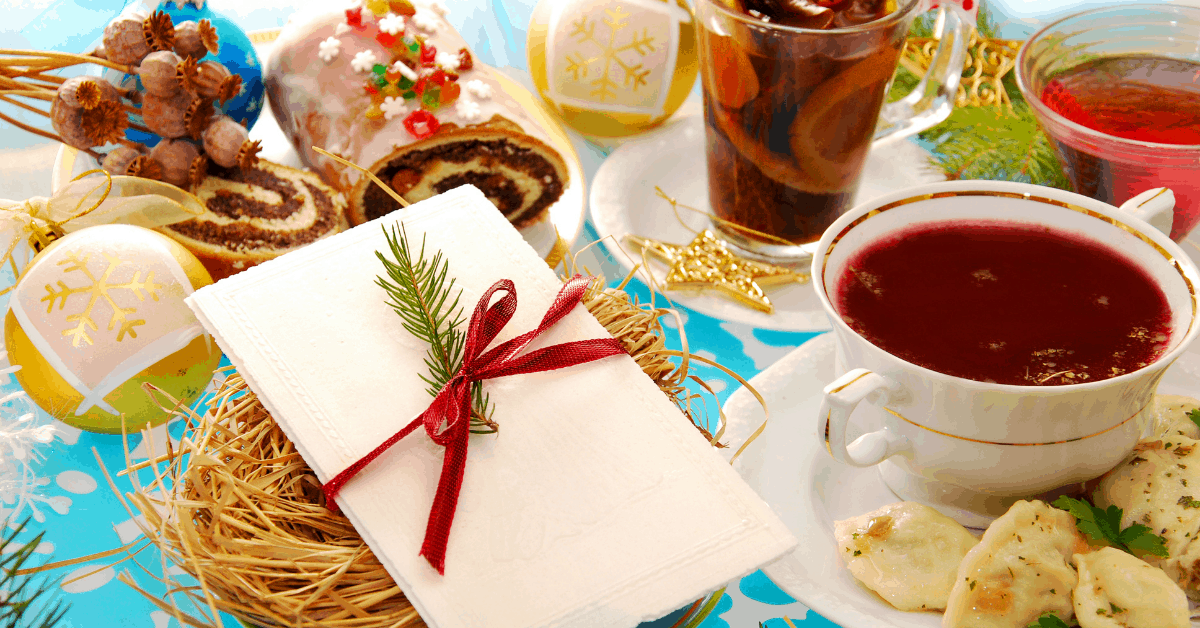
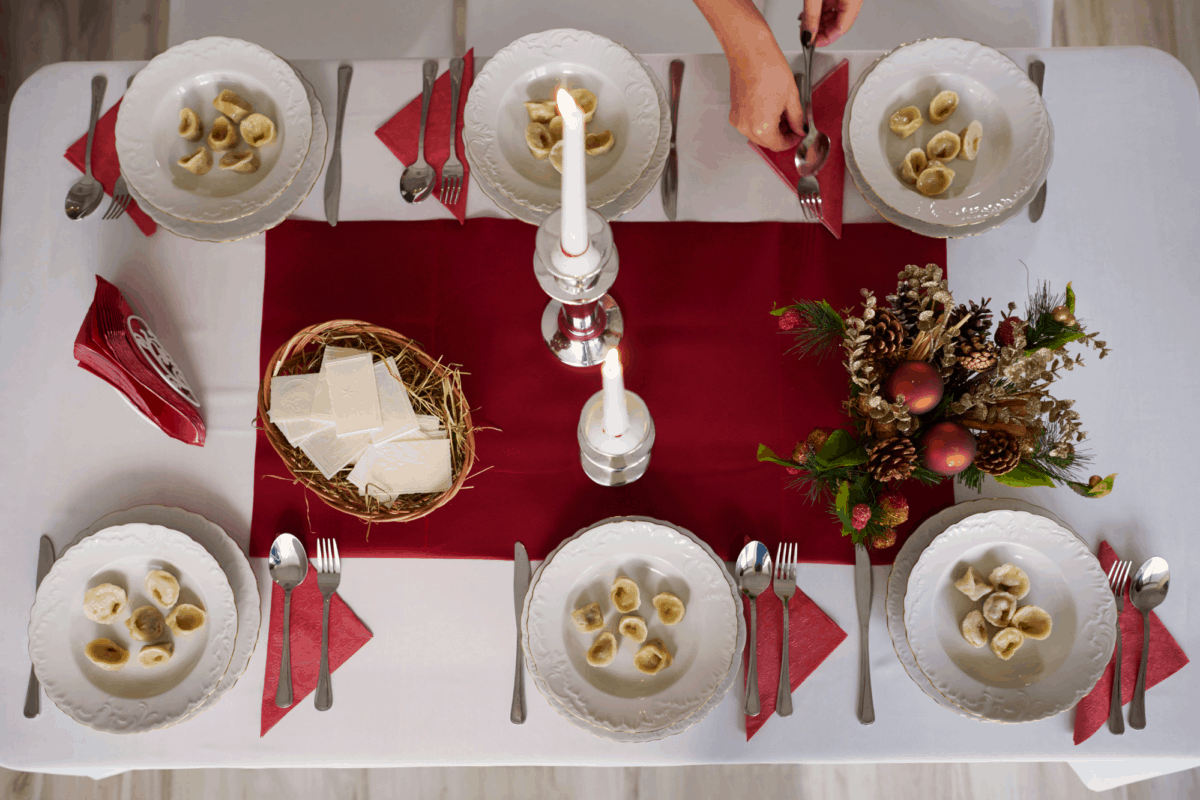
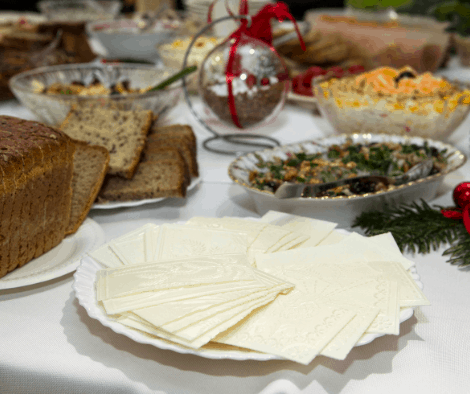
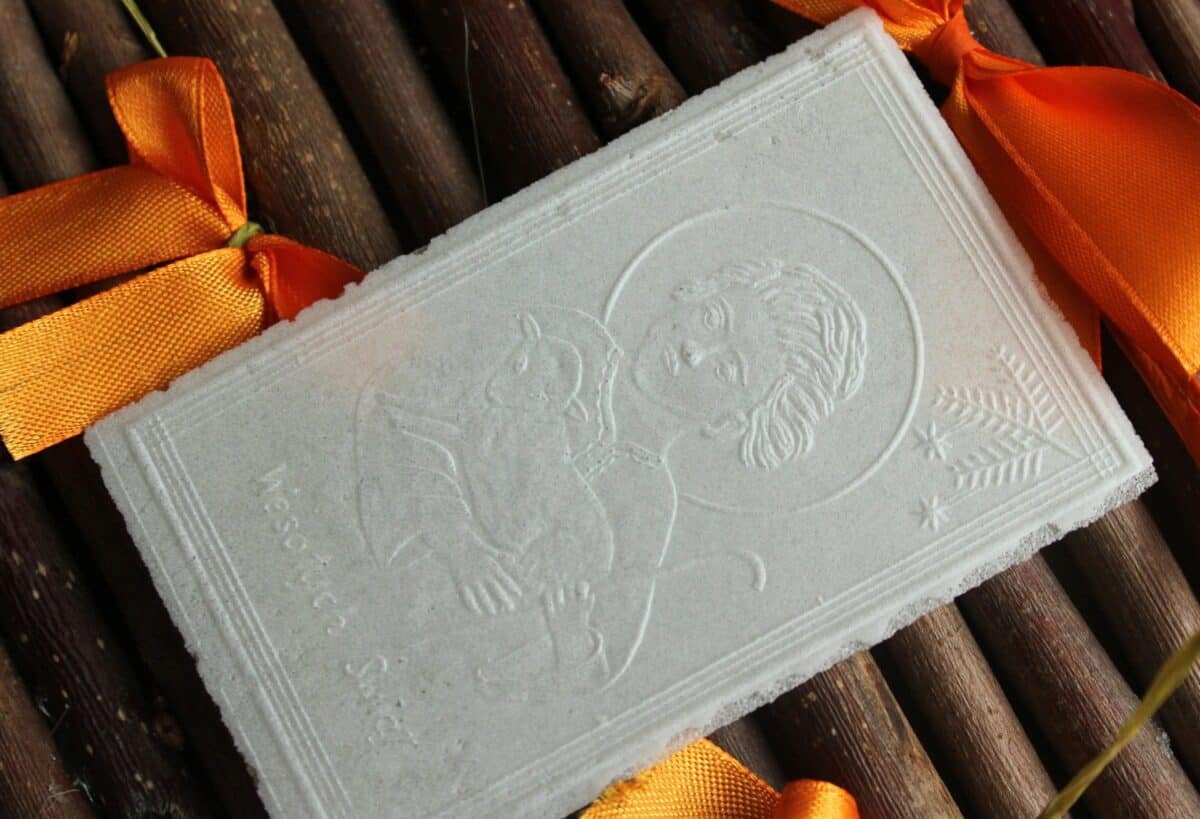
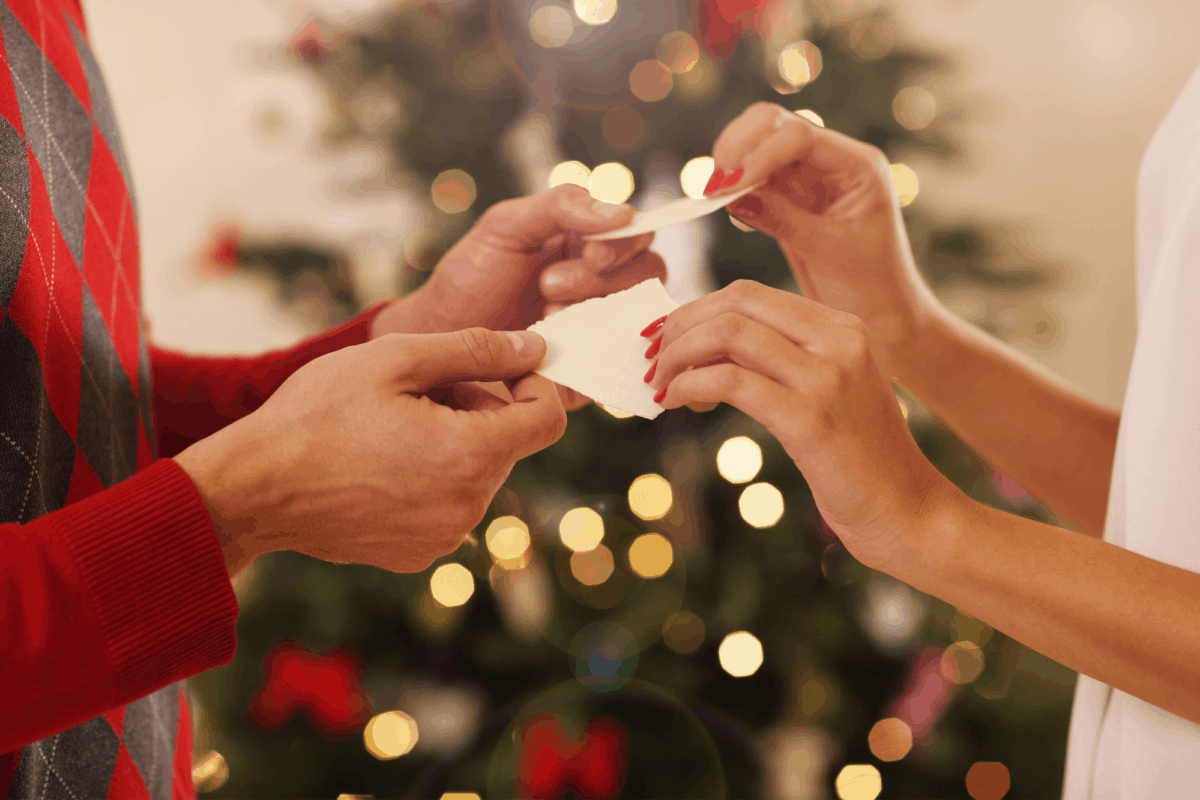
Dinner starts with sharing the Christmas wafer (opłatek – baked from wheat flour and water, usually rectangular). Each guest receives a piece of a wafer, then shares it with others, eats a piece, and makes wishes (usually for the previous and next year). There is also a pink wafer dedicated to animals. The tradition says that animals are endowed with the power of human speech on Christmas Eve.

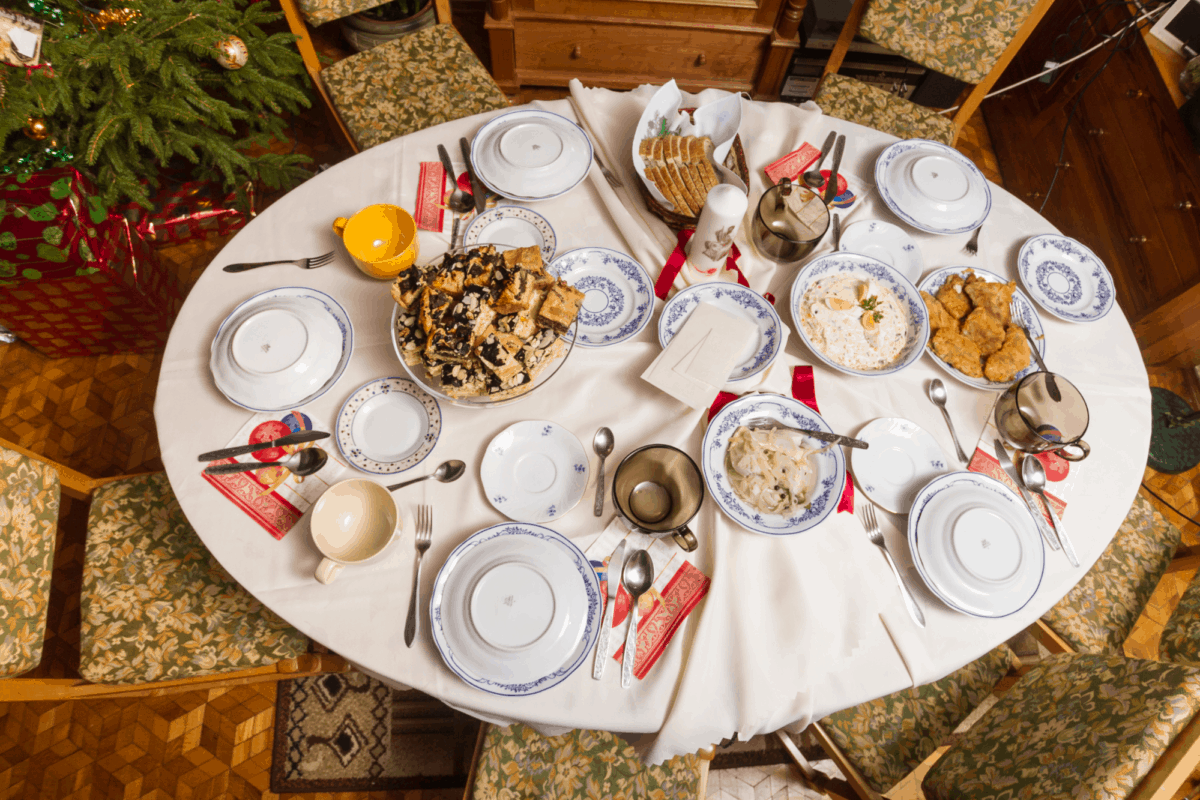
One of the most outstanding Polish Christmas traditions is to prepare an extra seat at the table. One place more than the number of people gathered is placed on the festive table (including a plate and cutlery). According to tradition, an additional seat at the Christmas Eve table is reserved for an unexpected guest. The unannounced guest is symbolic – someone in need, poor, lost, lonely, or without family. This tradition reminds us and obliges us to think about others and those in need. And to help others during the holidays. In this way, we can also express the memory of our loved ones who have passed away. The empty plate can also symbolize someone in our family or among our friends with whom we cannot meet this year…

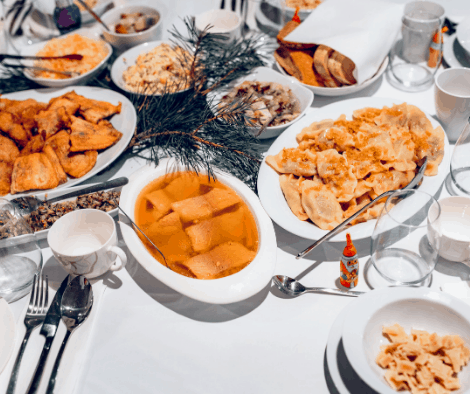
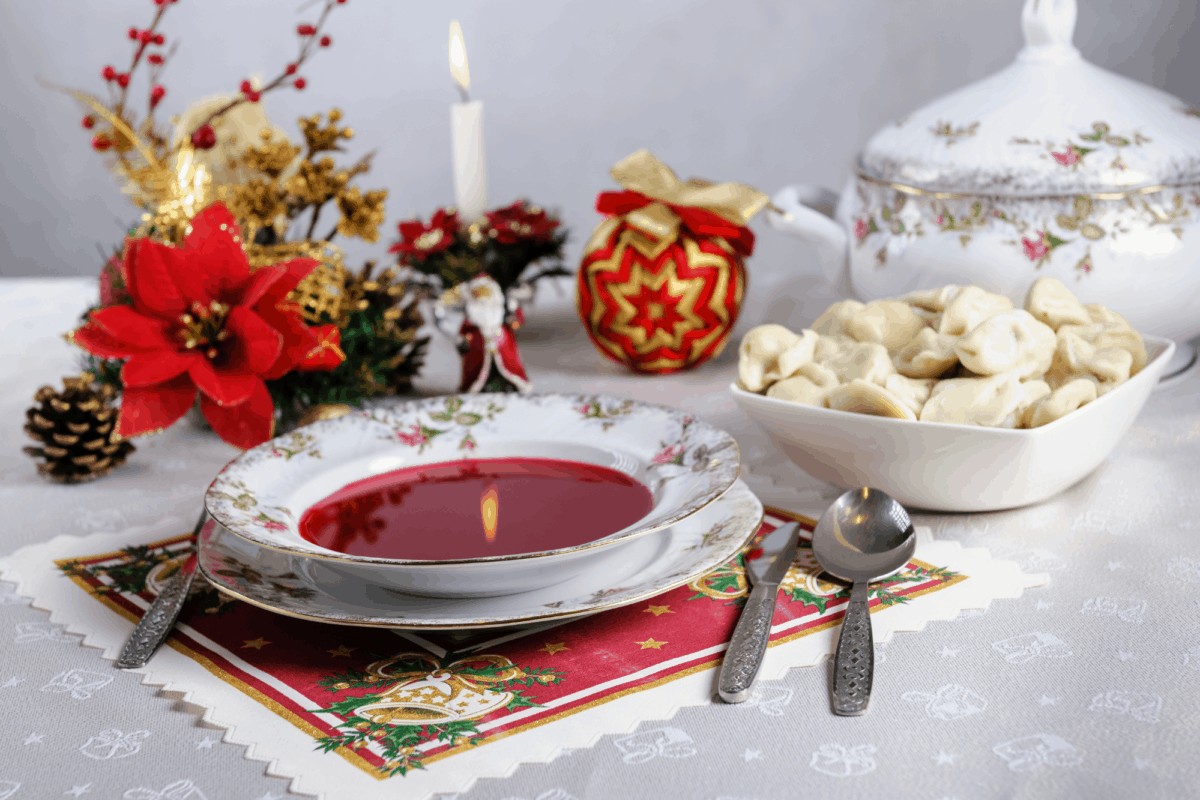
The tradition in Poland requires the Christmas Eve dinner (on December 24) to include twelve courses (yes, TWELVE!!!). The host of the Christmas Eve dinner may be held accountable by children for this tradition;) This is where creative accounting comes in handy – 12 dishes may include, for example, bread, side dishes, or desserts. Everyone who associates Polish cuisine with meat dishes will be pleasantly surprised – all dishes served on Christmas Eve must be meat-free. Typically, the dinner includes carp fish (karp), beetroot soup (barszcz czerwony), mushroom soup (zupa grzybowa) or fish soup (zupa rybna), dumplings with mushroom or cabbage filling (pierogi), cooked cabbage with mushrooms (kapusta z grzybami), herring salad (sałatka śledziowa), and cooked vegetable salad with mayonnaise dressing (sałatka jarzynowa).
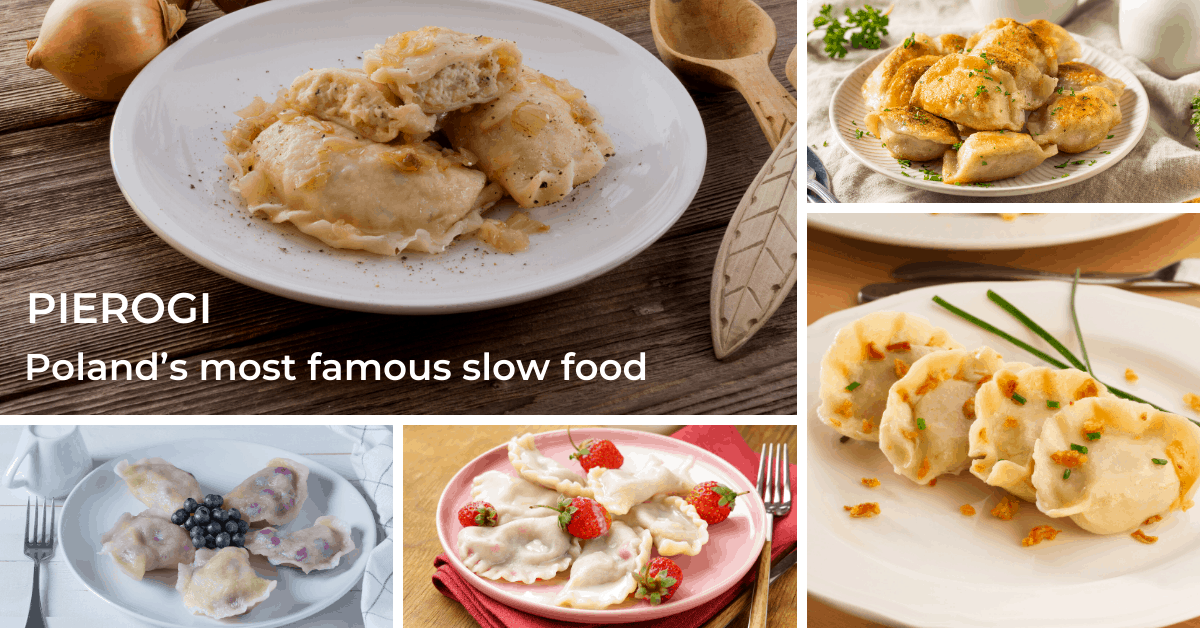
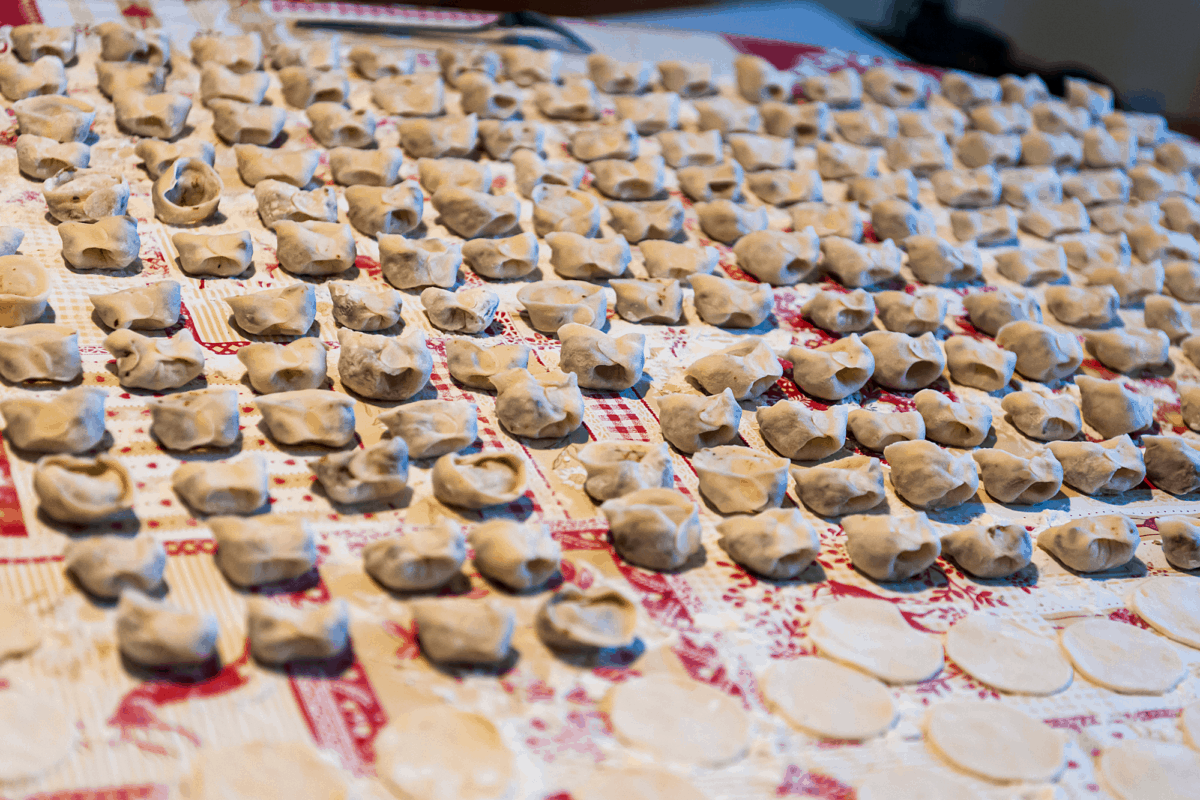
Pierogi are the number one dish for Christmas Eve dinner in Poland. Expect sauerkraut and dried wild mushrooms or poppy seed filling. The little «uszka» in the traditional beetroot soup are … little ear-shaped dumplings.
Read more about pierogi in our post: Granny Helena’s best pierogi hacks and 10 reasons why (almost) everyone loves Polish dumplings.




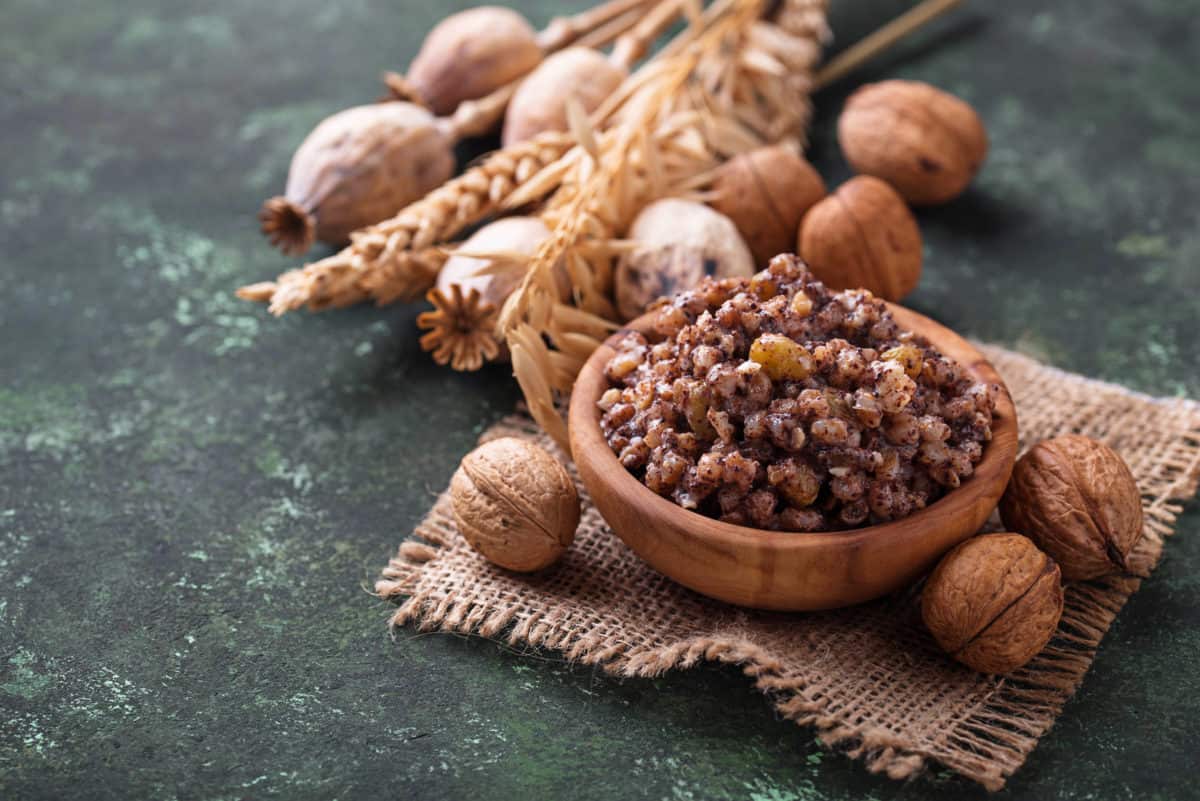
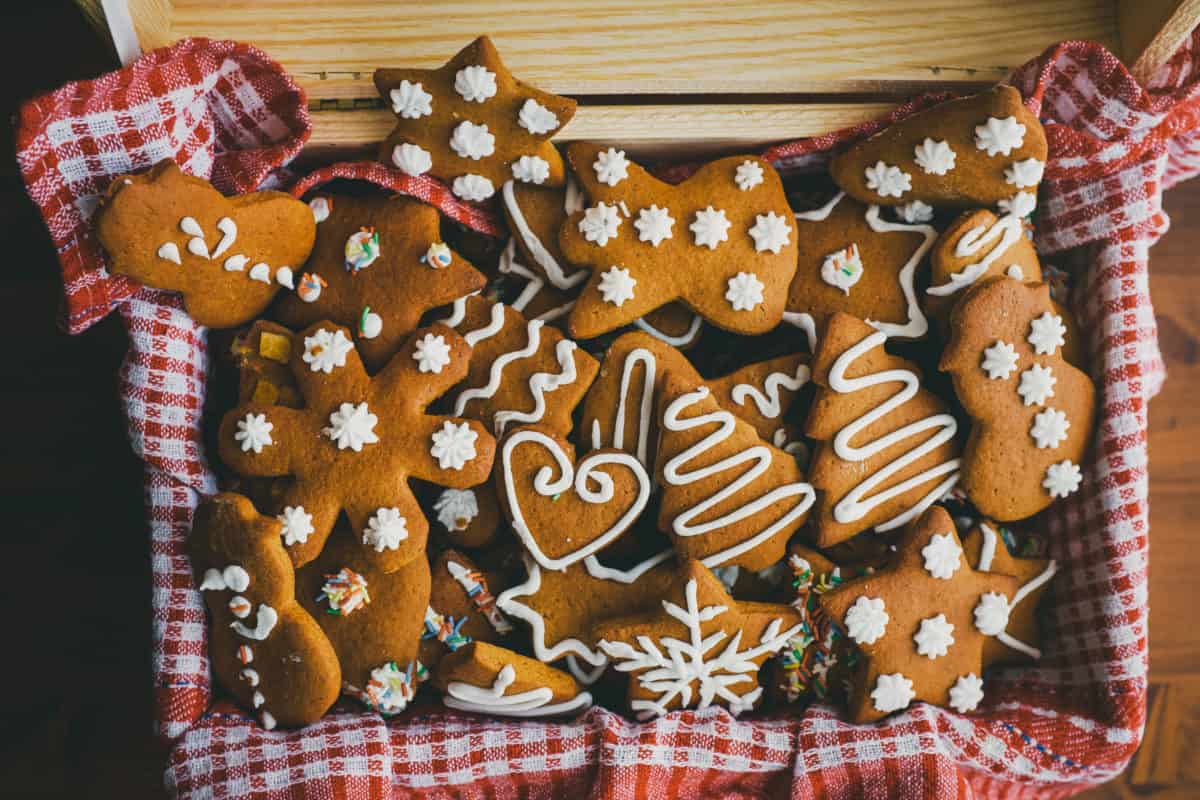
Desserts are included in 12 courses: noodles with poppy seeds, honey, nuts, and dry fruits (kluski z makiem, makiełki), a dry fruit compote (kompot z suszu), poppy seeds cake (makowiec), gingerbread cookies (pierniczki), cheesecake (sernik), kutia – made with wheat or barley grain, ground poppy seeds, and honey. Other cakes include, for example, gingerbread sponge chocolate layer cake.


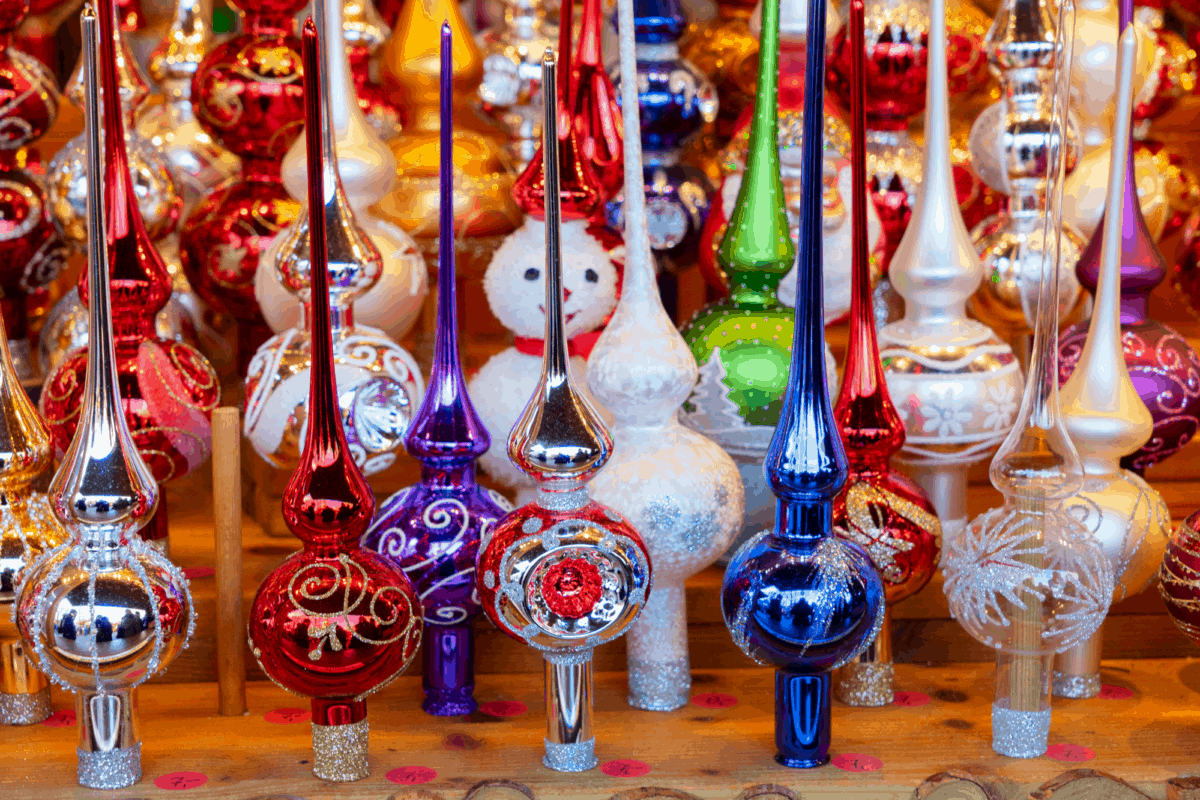
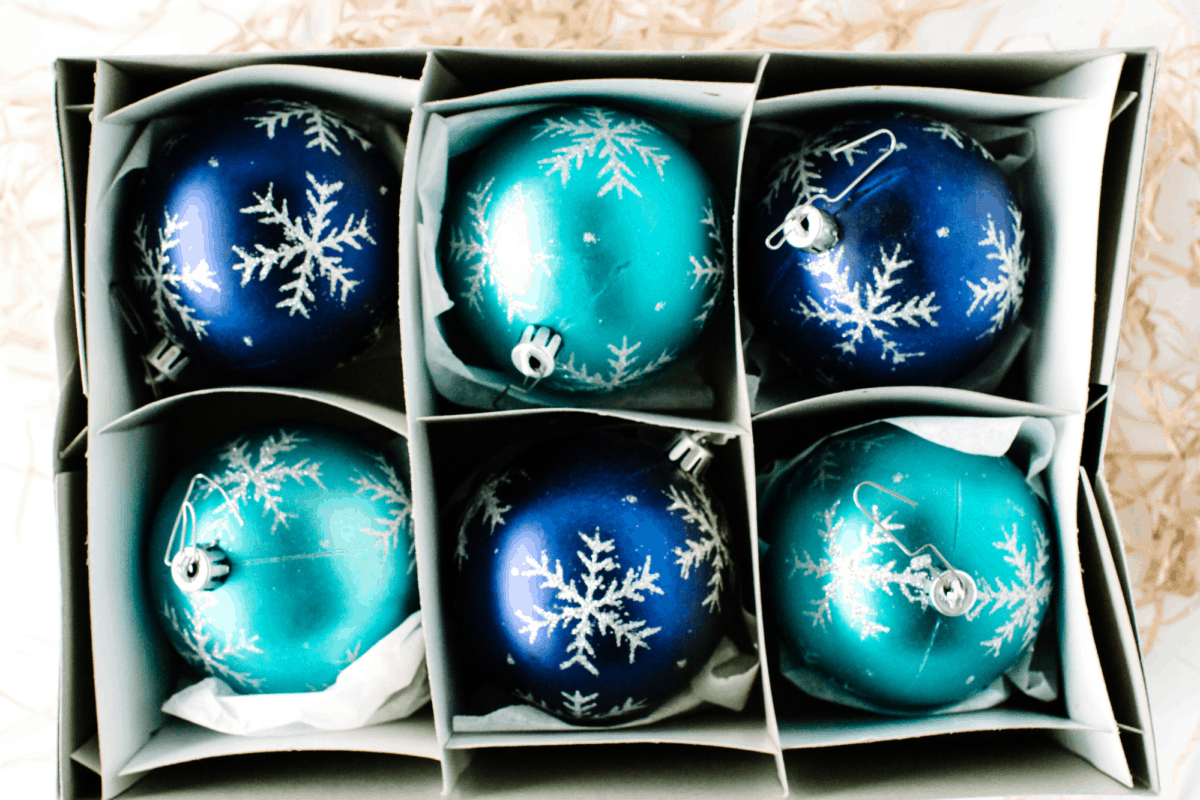
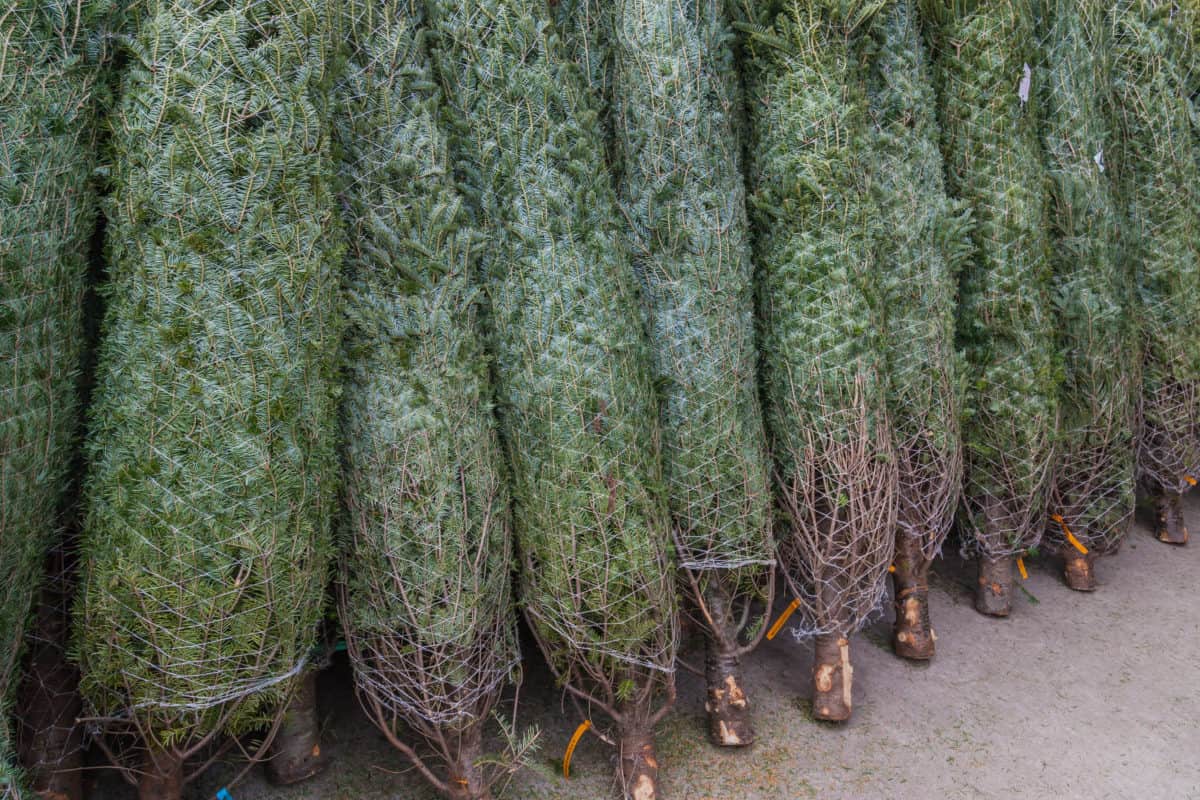
Once the dinner is finished, it’s time to unwrap the gifts. Gifts are either under the Christmas tree, or there is a Santa Claus (Mikołaj) home visit. Christmas trees are decorated with bombki – glass balls/baubles. You can buy unique glass ornaments in many shops in Poland before Christmas. Some bombki are handmade and hand-painted. You will find them in different shapes – hearts, animals, vehicles – all your kids can imagine.



After dinner, people attend a special midnight mass (pasterka), which marks the end of the fasting period and celebrates the birth of Jesus. Some families in Poland, after returning home from church (the mass is very long, so it’s usually about 2 in the morning), start another dinner – this time, meat is allowed.

Christmas Day (Boże Narodzenie) and the Second Day of Christmas, December 25-26 (bank holidays)
- People visit family and friends to celebrate together, go to church, sing carols (kolędy), and spend long hours at the table.
- Carols have been sung in Poland since the 16th century. To date, over 500 Christmas carols and pastorals have survived in various songbooks.
- The queen of Polish Christmas carols is “Bóg się rodzi” (God is born), written at the end of the 17th century; its melody is based on the coronation polonaise of Polish kings from the 16th century.
- If you would like to find the Polish version of “Silent Night” on YouTube or Spotify, its title in Polish is “Cicha noc“.
- One of the most famous and touching Polish Christmas carols is “Lulajże Jezuniu“. It is one of the few lullaby carols.
- On Spotify, you can find Christmas carols wonderfully performed by Polish folk groups. Type: Zespół Pieśni i Tańca Śląsk (album: Święta Noc) or Mazowsze (album: Mazowsze śpiewa kolędy). You will find both groups on the compilation Najpiększniejsze kolędy (Mazowsze, Zespół Pieśni i Tańca Śląsk).
- On YouTube, you can find Christmas carols performed by the children’s group Arka Noego (YouTube playlist); Christmas carols with text displayed in Polish (YouTube playlist); Christmas carols performed by Polish folk groups (YouTube playlist); Christmas carols performed by different children’s groups (YouTube playlist); Christmas carols performed by Polish singer Irena Santor – once this vinyl record was in most Polish homes (YouTube playlist); Christmas carols performed by a highlander children’s band (YouTube playlist).
- Unlike Christmas Eve dinner, when meat dishes cannot be served, meals on Christmas Day and the Second Day of Christmas are usually packed with meat dishes, e.g., hunter’s stew (bigos), sausage (kiełbasa), pate (pasztet).
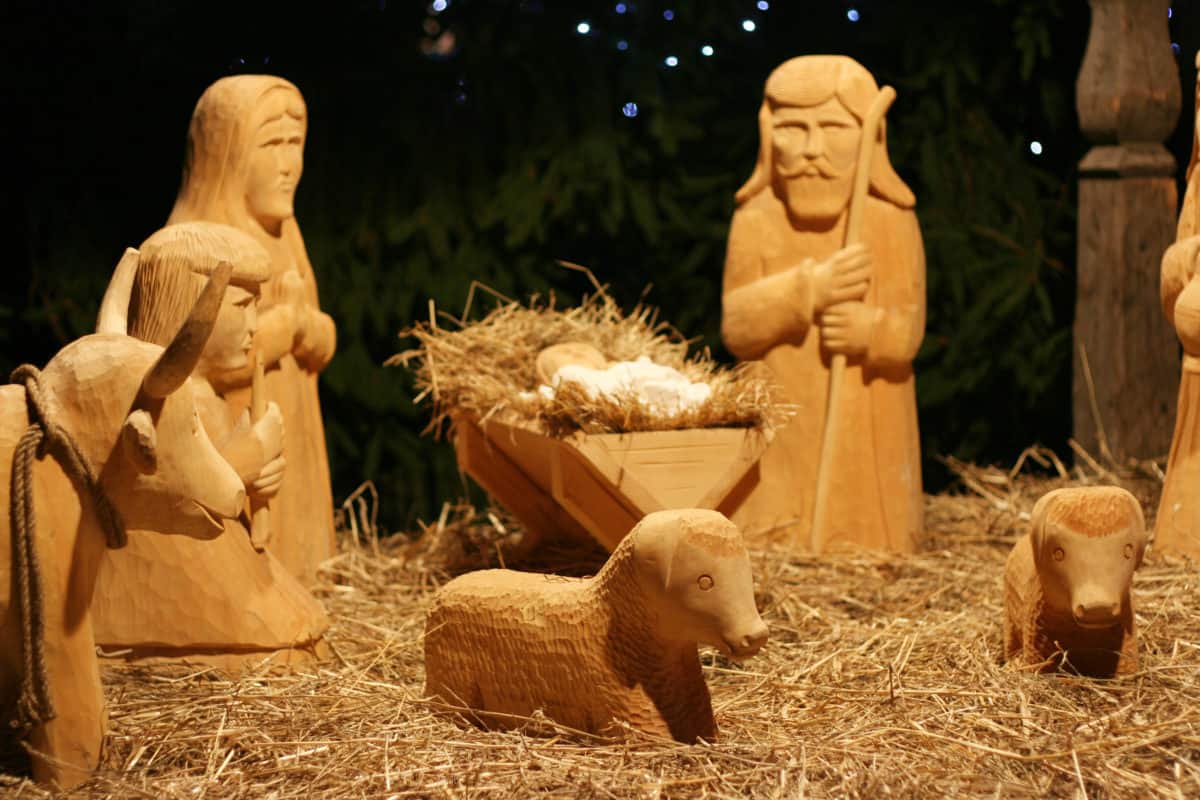
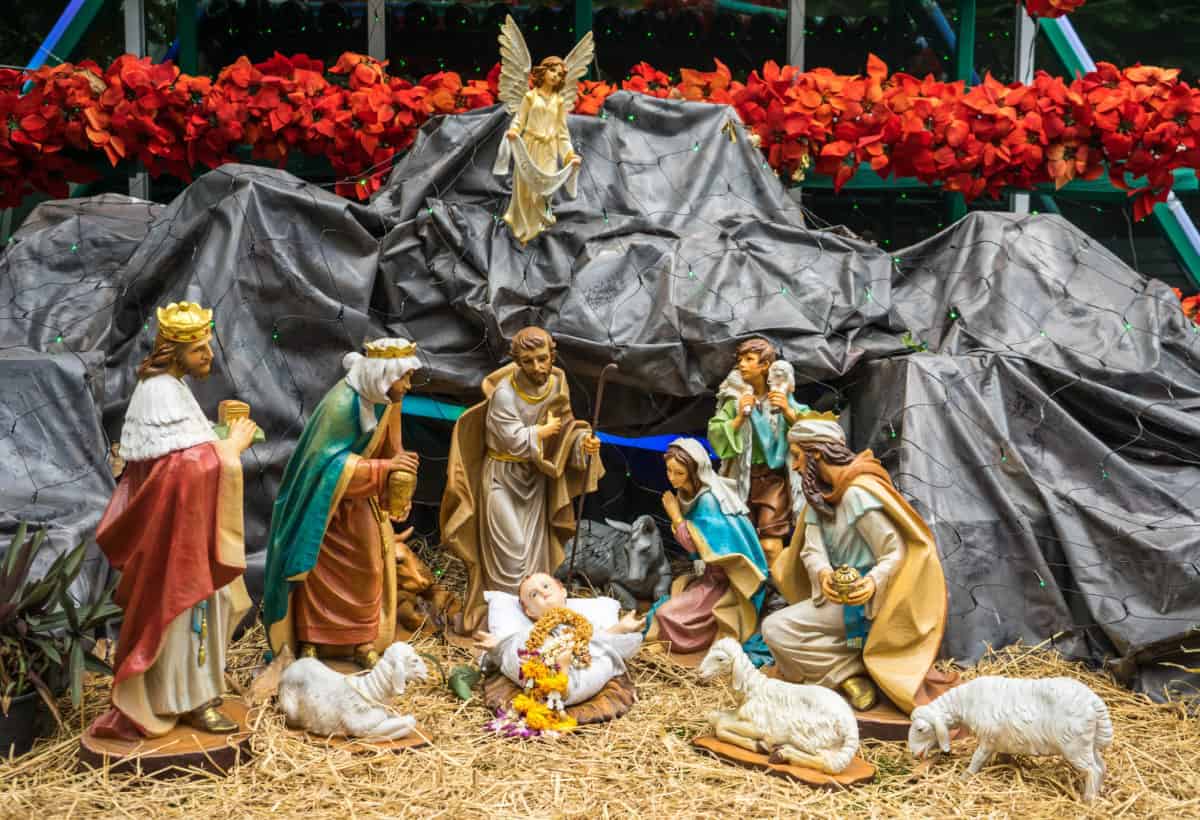
- It is worth visiting churches in Poland during Christmas – each church builds its unique nativity scene (szopka). Sometimes they are modern and metaphorical; sometimes they are full of details that children will love, e.g., animals, angels, various figures, and ornaments. Churches in Poland are usually open during the day. In some families, there is a tradition (usually on Christmas Day and the Second Day of Christmas) to visit several churches, admiring and comparing nativity scenes in each one.

Click on the photos to read our other posts: